

Deciding to sell your home can create an immediate urge to start working.
You may begin thinking about painting, replacing flooring, renovating the kitchen or clearing every room as quickly as possible. Although preparation can make a meaningful difference, doing more work does not always produce a better result.
The most useful first step is not automatically renovating or staging. It is understanding your home, the likely buyer, the current competition and which improvements are worth completing before the property reaches the market.
If you are preparing to sell a house in Penticton, the following steps can help you direct your time and money toward the work that matters most.
Start With Your Selling Plans
Before making changes to the property, consider why you are selling and what the move will require.
A homeowner who needs to relocate within six weeks will make different decisions than someone preparing for a possible spring listing. Your plans may also depend on whether you need to sell before purchasing, whether you are downsizing or whether the property is currently occupied by tenants.
Begin by considering:
- When you would ideally like to move
- Whether that timeline is flexible
- Where you plan to go next
- Whether you need proceeds from the sale to purchase another property
- How much preparation you can realistically manage
- Whether the home will be occupied while it is listed
- Which repairs or unfinished projects already concern you
These answers provide context for every decision that follows. A long renovation may not make sense if it delays an important move, while a few additional weeks of preparation could be worthwhile if they substantially improve how the property is presented.
Speak With a Local Real Estate Professional Before Renovating
Many homeowners wait until the house is completely prepared before contacting a REALTOR®. That can lead to unnecessary spending.
A local real estate professional can help identify the likely buyer for the property, assess competing homes and explain which features may influence the sale. This can help separate improvements that are worth considering from projects that are unlikely to recover their cost.
For example, repainting a heavily marked room may improve the overall impression of a home. Completely replacing a functional kitchen because its finishes are not current may be far more difficult to justify.
The advice should be specific to your property. Preparation for a downtown Penticton condo will not be identical to preparation for an older detached house, an acreage, a lake-view property or a home in an age-restricted community.
Requesting a Penticton home evaluation early does not mean you must list immediately. It gives you more information before you commit to a budget or timeline.
Understand What You Are Selling
Sellers naturally view their homes through the lens of their own experience. Buyers arrive with different priorities.
Before deciding what to change, identify the property’s strongest selling features. These might include:
- A walkable location
- A practical single-level layout
- A legal or potential secondary suite
- Room for an RV, boat or additional vehicles
- A renovated kitchen
- Outdoor living space
- Lake or valley views
- Proximity to schools, beaches or recreation
- A low-maintenance yard
- Redevelopment or renovation potential
Preparation should make these qualities easier to recognize.
If the home’s primary appeal is its location and lot, an expensive cosmetic renovation may not substantially change its value. If buyers are likely to compare it with move-in-ready homes, visible condition may carry more weight.
Understanding the likely buyer also helps determine how the home should be presented. A family, retiree, investor and recreational buyer may notice different features and limitations.
Deal With Problems That Could Reduce Buyer Confidence
Not every imperfection needs to be corrected before selling. However, visible neglect and unexplained problems can make buyers wonder what else may be wrong.
Pay particular attention to items such as:
- Active leaks or signs of moisture
- Damaged roofing or exterior materials
- Plumbing or electrical concerns
- Broken heating or cooling equipment
- Cracked windows
- Damaged flooring
- Loose railings or unsafe steps
- Doors or windows that do not operate properly
- Strong odours
- Evidence of pests
- Unfinished repairs
- Poorly completed renovations
The concern is not always the cost of the individual repair. A loose fixture or stained ceiling may cause a buyer to question the overall maintenance of the home.
Obtain appropriate professional advice when a problem involves electrical work, plumbing, structure, moisture, environmental concerns or safety. Cosmetic work should not be used to conceal a known defect.
Do Not Assume Every Renovation Will Pay for Itself
Some home improvements make a property more attractive, but that does not mean the seller will recover every dollar spent.
Large renovations involve materials, labour, delays and the risk of choosing finishes that do not suit the eventual buyer. They can also uncover additional work after the project begins.
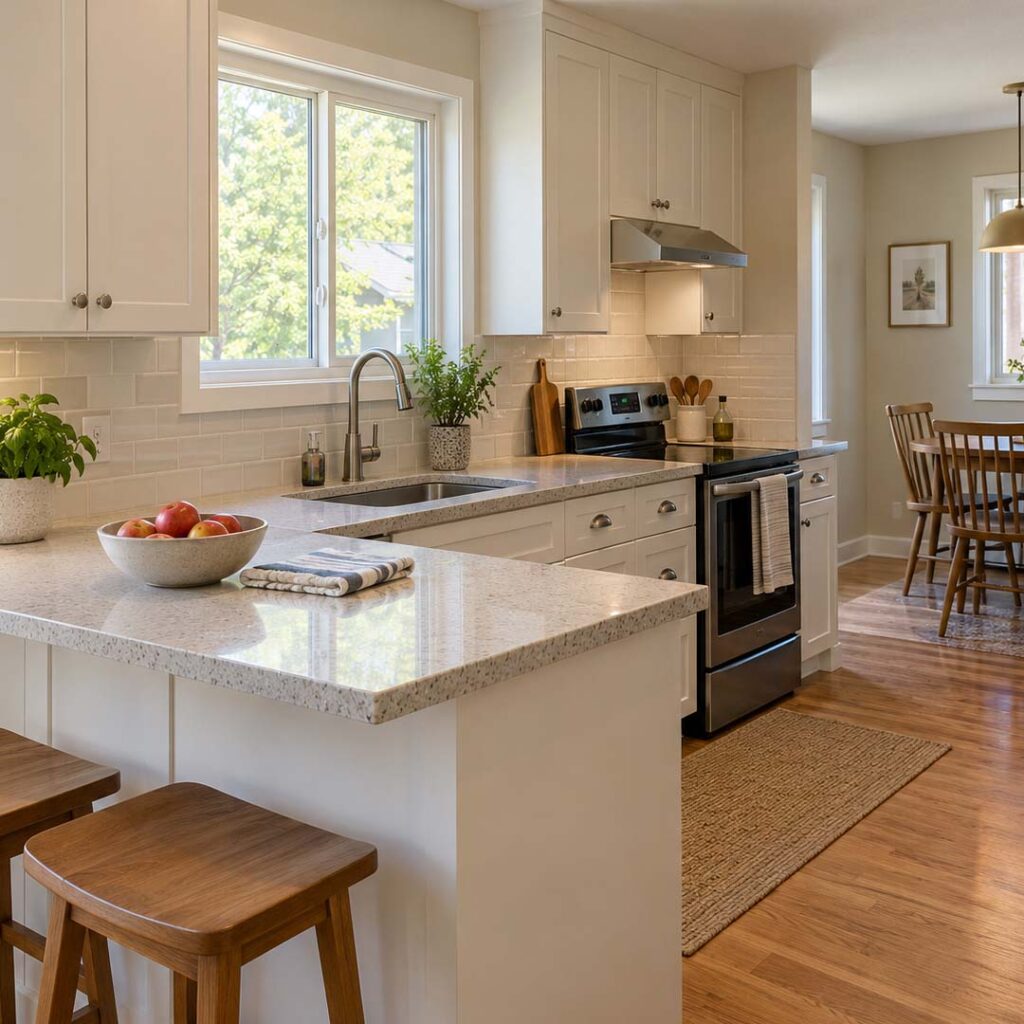
Before renovating, ask:
- Is the current feature damaged, or is it only dated?
- Would a smaller repair achieve most of the benefit?
- Will the improvement suit the likely buyer?
- Are similar nearby listings newly renovated?
- Could the project delay the sale?
- Is there enough time to complete it properly?
- Would buyers prefer to make their own choices?
In many cases, cleaning, minor repairs, paint and improved presentation provide a more practical return than replacing functional kitchens or bathrooms.
There are exceptions. A severely damaged or incomplete area can limit buyer interest, and a carefully chosen improvement may help a home compete within its price range. The decision should be based on the property and market, not a general promise that renovations always increase value.
Gather Your Property Information Early
Preparing documentation can prevent delays once the listing process begins.
The information needed will vary by property, but sellers may want to locate:
- Recent property tax information
- Utility costs
- Renovation records and receipts
- Building permits
- Warranties and manuals
- Survey or property plans
- Information about the roof, windows and major mechanical systems
- Rental or tenancy documents
- Septic, well or irrigation information where applicable
- Strata documents for a condominium or townhome
- Details about insurance claims or previous repairs

If you are unsure whether work was completed with the required permits, investigate before listing. Discovering an issue after receiving an offer can create additional pressure and uncertainty.
Your real estate professional can explain which documents are commonly requested and which questions are likely to arise for your property type.
Look at the Home From the Entrance Forward
Buyers begin forming an opinion before they enter the house.
Walk toward the property as though you were seeing it for the first time. Look at the driveway, landscaping, entrance, exterior condition and front door. Notice anything that appears neglected, confusing or difficult to access.

Curb appeal does not require elaborate landscaping. Seasonal maintenance and a clean, functional entrance are often more valuable than adding decorative features.
Depending on the property and time of year, preparation may include:
- Removing weeds and dead plants
- Cutting back overgrown landscaping
- Cleaning exterior surfaces
- Repairing damaged steps or railings
- Improving exterior lighting
- Clearing leaves, snow or debris
- Making the entrance easy to identify and approach
- Organizing visible parking and storage areas
In Penticton, buyers may also pay close attention to outdoor living, shade, sun exposure, irrigation and the amount of yard maintenance required.
Reduce Clutter Without Removing Every Sign of Life
Decluttering helps buyers understand the space, but a home does not need to become empty or impersonal.
Focus first on anything that makes rooms appear smaller or prevents buyers from seeing how the space functions. Excess furniture, crowded countertops, overflowing closets and stored items in passageways can distract from the home itself.
Start with:
- Entryways
- Kitchen and bathroom counters
- Main living areas
- Primary bedroom
- Closets buyers are likely to open
- Garage and storage areas
- Patios, decks and balconies
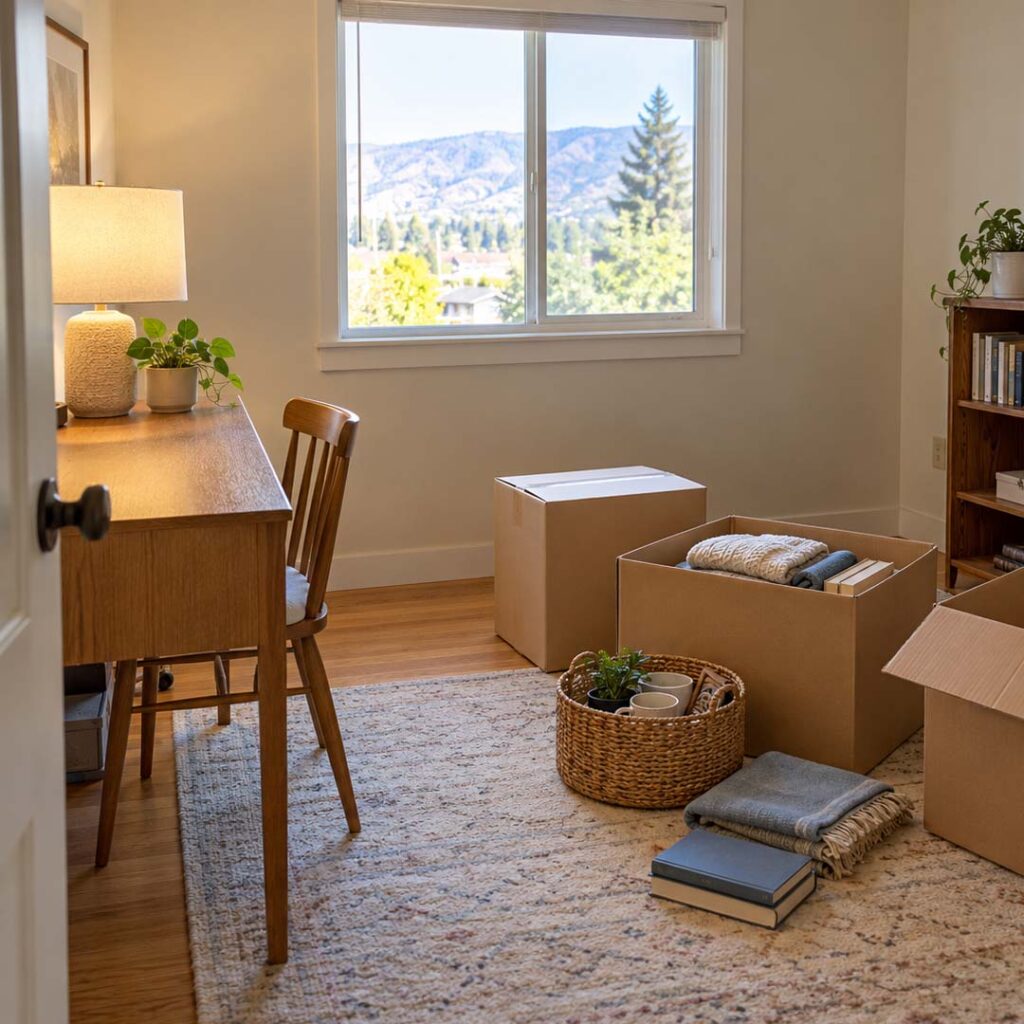
Packing early can make the eventual move easier. It may also create space to organize the items you still need while the property is listed.
If the home is vacant, professional staging may help buyers understand room scale or the purpose of an unusual space. In an occupied home, rearranging and editing existing furniture may be sufficient.
Use Cleaning to Improve the Entire Presentation
A thoroughly cleaned home often photographs better and feels better maintained.
Beyond ordinary household cleaning, pay attention to:
- Windows and glass doors
- Light fixtures
- Baseboards and trim
- Appliances
- Grout and caulking
- Cabinet interiors
- Closets and storage rooms
- Pet hair and odours
- Garages and utility spaces
- Patios and outdoor furniture
Odour is particularly important because occupants may no longer notice familiar smells. Avoid trying to cover an odour with a strong fragrance. Identify and address its source whenever possible.
Professional cleaning may be worthwhile when time is limited or when the property requires more work than the household can reasonably complete.
Prepare for Photography and Online Buyers
For many buyers, the first showing happens online.
Listing photographs should help people understand the layout, condition and most appealing features of the property. Good preparation also makes it easier to create video, floor plans or other marketing materials when appropriate.

Before photography:
- Remove unnecessary items from floors and counters
- Open blinds or curtains where appropriate
- Replace burnt-out bulbs
- Clean windows and reflective surfaces
- Make beds and straighten linens
- Hide cords, garbage bins and cleaning supplies
- Remove vehicles when they obstruct the home
- Prepare patios, balconies and outdoor areas
- Put away private documents, medications and valuables
The goal is not to disguise the property. It is to show it clearly, accurately and attractively.
Homes with views require special attention to lighting and timing. Properties with extensive outdoor space may also benefit from photography that shows how the exterior relates to the house.
Think Carefully About Pricing
Preparation and pricing work together.
Improvements may enhance presentation, but they do not automatically move a property into a different price category. Buyers will still compare its location, size, age, condition and features with other available homes and recent sales.
The original purchase price, renovation cost and amount needed for the next move do not determine current market value.
Before selecting a listing price, review:
- Recent comparable sales
- Current competing listings
- Listings that failed to sell
- Differences in condition and location
- Property type and buyer demand
- Market activity within the relevant price range
An ambitious price may seem to leave room for negotiation, but it can also reduce early interest. The first period after a listing appears is important because that is when active buyers and their agents are most likely to notice it.
A thoughtful Penticton home-selling strategy should connect the condition, presentation, marketing and price of the property.
If You Plan to Sell in Spring, Begin Before Spring
Spring is a popular time to list, which means many sellers begin preparing at the same time.
Starting earlier gives you more time to obtain quotes, book trades, locate documents and complete repairs without rushing. It also allows you to make thoughtful decisions instead of reacting to a deadline.
Fall and winter can be useful for:
- Sorting and packing
- Completing interior repairs
- Painting
- Reviewing property documents
- Servicing mechanical systems
- Planning exterior work
- Speaking with a real estate professional
- Monitoring competing listings
- Preparing a moving budget and timeline
Some exterior tasks may need to wait for suitable weather, but they can still be identified and scheduled in advance.
Create a Plan Based on Priorities
Once you understand the property and likely buyer, divide the work into three categories.
Work That Should Be Addressed
This includes safety issues, active problems, incomplete repairs and items likely to create significant concern during a showing or inspection.
Work That Would Improve Presentation
This may include painting, minor cosmetic repairs, decluttering, cleaning, landscaping and rearranging furniture.
Work That Is Optional
These are projects that may be appealing but are not essential to presenting or selling the property successfully.
This approach can protect the preparation budget from being consumed by lower-priority improvements.
For a more detailed room-by-room resource, download our Ultimate Home Seller’s Checklist.
What Should You Do First?
If you are preparing to sell your Penticton home, begin with information rather than renovations.
Clarify your timeline. Understand the property’s strengths and concerns. Gather the available documentation. Then speak with a local real estate professional before deciding how much work to complete.
The right preparation plan may be extensive, or it may involve only a few targeted repairs, careful cleaning and stronger presentation. What matters is that the plan reflects the home, the likely buyer and your own timeline.
The Morrison Bifford Real Estate Group has deep roots in Penticton and the South Okanagan. If you are considering selling, our team can help you evaluate your property, identify practical preparation priorities and develop a strategy for bringing it to market.
Frequently Asked Questions About Preparing to Sell a Penticton Home
How early should I start preparing my home for sale?
Starting several months before your intended listing date provides time to gather documents, obtain professional advice and complete repairs without rushing. However, a shorter timeline can still be manageable when the work is carefully prioritized.
Should I renovate before selling my house?
Not necessarily. Large renovations do not always recover their full cost and may delay the sale. Addressing repairs, maintenance, cleaning and presentation may provide a more practical benefit. Speak with a local real estate professional before committing to major work.
What repairs should I make before listing?
Begin with active problems, safety concerns, visible damage and unfinished work that may reduce buyer confidence. The right priorities depend on the property’s age, condition, price range and likely buyer.
Should I get a home inspection before selling?
A pre-listing inspection can help identify concerns before buyers conduct their own inspection, but it is not necessary for every property. Discuss the advantages and possible implications with your real estate professional before arranging one.
Do I need to stage my Penticton home?
Not every home requires professional staging. Decluttering, cleaning and rearranging existing furniture may be enough. Vacant homes, unusually shaped rooms or properties competing with highly finished listings may benefit more from professional staging.
What documents should I gather before selling?
Useful documents may include tax information, utility costs, renovation records, permits, warranties, surveys and information about major systems. Condominiums and townhomes will also require relevant strata documentation.
Should I list high to leave room for negotiation?
A higher asking price does not necessarily create a stronger negotiating position. If the price is disconnected from comparable properties, it may reduce buyer interest. Pricing should reflect the home’s location, condition, features and current competition.
When should I contact a REALTOR®?
Contacting a REALTOR® before completing major work can help you avoid unnecessary spending and identify the improvements most likely to support the sale. You do not need to wait until the home is ready to list.